Innovations in Rubber Gym Flooring: What's New in 2026 for UAE Gyms
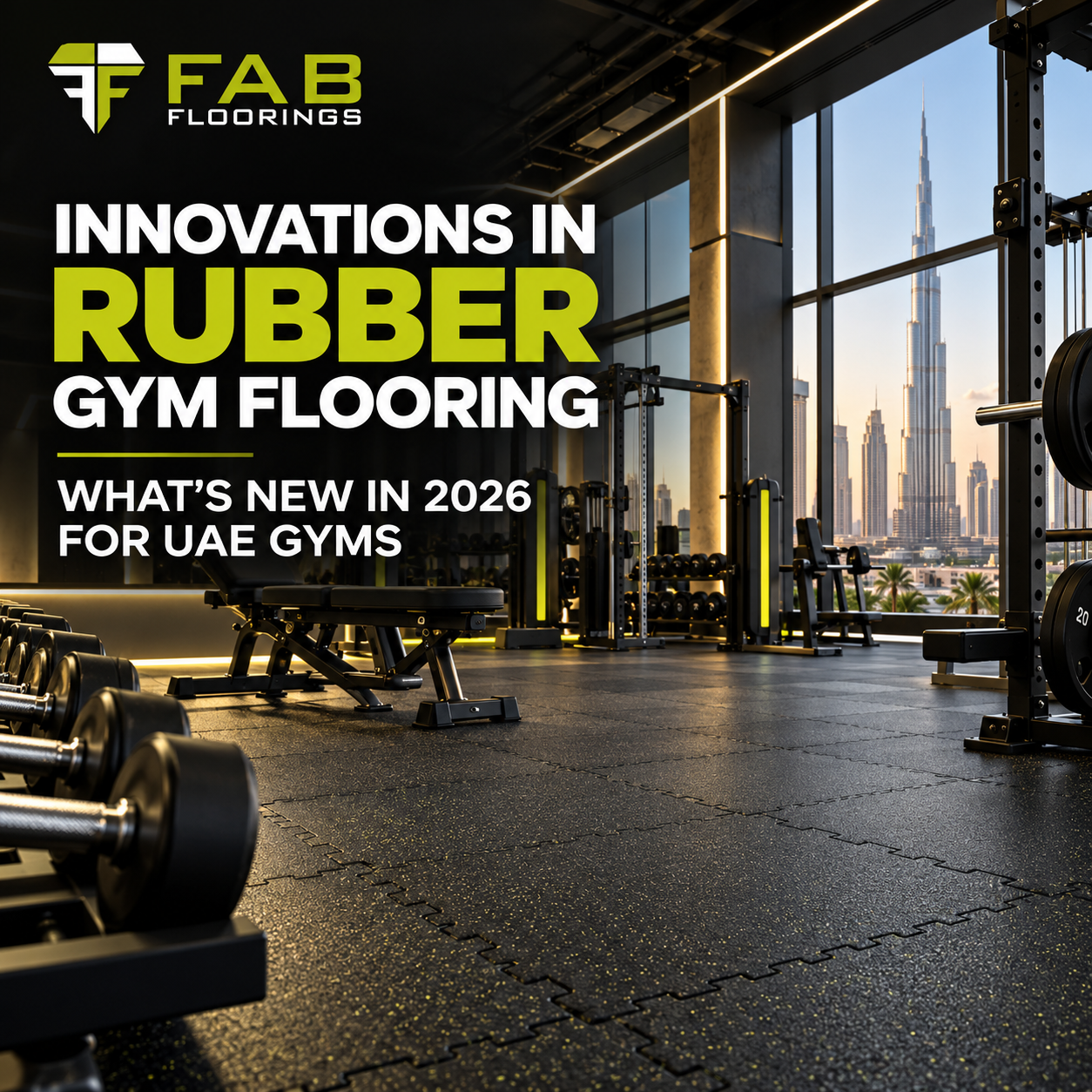
Rubber gym flooring has become an essential part of modern fitness facilities, helping gym owners create safer, more durable, and more comfortable workout environments. In 2026, gym design is increasingly focused on flooring performance, noise control, sustainability, and attractive interior finishes.
Across the UAE, from Dubai and Abu Dhabi to Sharjah, fitness centres need flooring that can withstand heavy equipment, frequent workouts, sweat, and demanding daily use. Newer flooring options include recycled rubber materials, improved acoustic systems, modular tiles, and customized designs.
Choosing the right rubber gym flooring can protect the underlying surface, support equipment stability, reduce impact noise, and improve the overall training experience. Here are the key innovations and trends gym owners should understand before upgrading their facilities.
1. Sustainable Rubber Flooring Materials
Sustainability is becoming an important consideration when selecting gym flooring. Recycled rubber flooring, often manufactured using recovered rubber from end-of-life tyres, offers a practical way to reuse materials while creating a durable workout surface.
Modern manufacturing processes can improve the consistency, finish, and performance of recycled rubber products.
Key benefits include:
-
Reduced demand for virgin raw materials.
-
Durable surfaces for commercial fitness facilities.
-
Availability of different colours and rubber compositions.
-
Options that support more resource-conscious gym construction.
Gym owners should check the recycled content, emissions information, product durability, and manufacturer documentation before choosing an eco-conscious flooring solution.
2. Improved Shock Absorption for Weight Training
Heavy lifting areas require flooring that can handle repeated impacts from dumbbells, barbells, and weight plates. Improved rubber formulations and multi-layer flooring systems help absorb impact and protect the subfloor.
In 2026, gym planners are paying greater attention to matching flooring thickness and density to the type of training performed in each area.
For example, heavy free-weight zones may require thicker, denser rubber tiles, while cardio areas and general fitness studios can often use thinner flooring systems.
The right specification can help protect the floor, improve underfoot stability, and reduce wear caused by repeated equipment use.
3. Advanced Noise and Vibration Reduction
Noise control is especially important for gyms located in residential towers, hotels, apartments, and mixed-use commercial buildings throughout the UAE.
Dropping weights and operating heavy exercise equipment can transmit vibrations through the building structure. Modern acoustic flooring systems combine rubber surfaces with specially engineered underlays or resilient layers to reduce this transmission.
Benefits may include:
-
Reduced impact noise from weights.
-
Less vibration transfer to neighbouring rooms.
-
A more comfortable environment for gym members.
-
Better suitability for multi-storey fitness facilities.
However, not every rubber floor provides the same acoustic performance. Gym owners should request independent test data for the complete flooring assembly when sound reduction is a priority.
4. Modular and Interlocking Rubber Gym Tiles
Modular rubber flooring is a practical choice for gyms that need flexible layouts and straightforward maintenance. Interlocking tiles fit together to create a stable surface, with individual sections replaceable when damaged, subject to the installation system.
These tiles are useful for personal training studios, home gyms, functional training zones, and temporary fitness areas.
Modern tile options offer different thicknesses, surface textures, colours, and edge designs. Gym operators can also use contrasting colours to distinguish lifting areas from stretching and functional training spaces.
This flexibility makes modular rubber flooring a useful solution for facilities that want to update their layouts without replacing the entire floor.
5. Custom Colours, Branding, and Zoned Flooring
Gym flooring is no longer selected solely for its practical benefits. Its appearance also contributes to the facility's overall identity.
Rubber flooring is available in black, coloured flecks, and a range of custom colour combinations, depending on the product. Some manufacturers also provide custom-cut designs, coloured zones, and branded floor layouts.
For example, a gym could use dark rubber flooring in its weightlifting area, a contrasting finish in functional training zones, and clearly marked pathways around equipment.
Zoned flooring can help organize the workout space while creating a consistent visual design. Any markings should use compatible materials and maintain the floor's intended slip resistance and durability.
6. Better Grip and Surface Performance
A safe gym environment requires flooring that provides suitable traction without compromising stability. Modern rubber flooring comes in different surface textures and finishes designed for specific training activities.
A suitable surface can support controlled movement during strength training, circuit workouts, and general fitness exercises.
When choosing flooring, consider:
-
Grip under normal workout conditions.
-
Resistance to wear from equipment and foot traffic.
-
Ease of cleaning and removal of sweat or residue.
-
Stability under exercise machines and free weights.
Flooring for areas exposed to moisture should be selected carefully, as traction depends on the product, contamination, cleaning practices, and installation conditions.
7. Flooring Designed for UAE Heat and Humidity
The UAE's climate makes material selection particularly important for outdoor and semi-outdoor training areas. Direct sunlight, high surface temperatures, humidity, and temperature changes can affect flooring performance over time.
For indoor gyms with effective air conditioning, the main priorities are usually durability, impact protection, and suitability for the subfloor. Covered terraces and outdoor fitness spaces require additional attention to UV resistance, drainage, and temperature tolerance.
Before installation, confirm that the selected product is approved for its intended environment. Outdoor suitability should never be assumed simply because a flooring product is made from rubber.
Proper storage, installation, and maintenance can also help extend the service life of the floor.
8. Low-Emission Materials and Easier Maintenance
Indoor air quality is another consideration for modern fitness facilities. Some rubber flooring products are available with low-emission certifications or supporting laboratory reports.
Gym owners can ask suppliers about volatile organic compound (VOC) emissions, adhesive compatibility, and recommended ventilation during installation.
Maintenance is equally important. Regular sweeping or vacuuming, damp cleaning with a manufacturer-approved solution, and prompt removal of sweat can help keep rubber flooring in good condition.
Avoid harsh chemicals unless the manufacturer confirms they are suitable for the product. Proper cleaning practices help maintain the surface appearance, traction, and hygiene of busy workout spaces.
9. Choosing the Right Flooring Format
Different rubber flooring formats serve different purposes. The best choice depends on the gym's size, activities, equipment, budget, and installation requirements.
Rubber tiles: Suitable for weightlifting zones and commercial gyms that benefit from replacing individual sections.
Rubber rolls: Useful for covering larger areas with fewer visible joints and creating a consistent finish.
Interlocking rubber mats: Convenient for home gyms, smaller workout spaces, and areas that may need reconfiguration.
Specialized acoustic flooring: Worth considering where vibration transmission to adjacent rooms is a major concern.
For best results, select each format according to the requirements of the specific training zone rather than assuming one product will perform equally well throughout the entire facility.
10. What Should UAE Gym Owners Consider Before Upgrading?
Before investing in new rubber gym flooring, evaluate the following factors:
-
Training activities: Identify whether the space will be used for heavy lifting, cardio, group classes, or functional training.
-
Thickness and density: Match the flooring specification to equipment loads and impact requirements.
-
Subfloor condition: Ensure the underlying surface is level, clean, dry, and suitable for the chosen installation method.
-
Climate exposure: Select products specifically rated for indoor, outdoor, or semi-outdoor conditions.
-
Acoustic requirements: Consider additional underlays or tested acoustic assemblies when necessary.
-
Maintenance needs: Compare cleaning requirements, repair options, and expected service life.
-
Total project cost: Include material, installation, preparation, accessories, and future maintenance in the budget.
Requesting product samples, technical data sheets, warranty information, and installation recommendations can help you make a more informed decision.
Why Invest in Modern Rubber Gym Flooring?
Modern rubber gym flooring combines durability, impact protection, design flexibility, and practical maintenance. Newer material options and specialized flooring systems also give gym owners more ways to address sustainability, noise reduction, and specific training requirements.
For UAE gyms, the most effective upgrade is not necessarily the most technologically advanced product. It is the flooring system that suits the facility's activities, climate exposure, equipment loads, and budget.
Working with an experienced flooring supplier can help ensure that the selected materials and installation method meet the needs of the space.
Conclusion
Rubber gym flooring continues to evolve as fitness facilities place greater emphasis on safety, performance, appearance, and long-term value. Recycled materials, acoustic underlays, modular tiles, custom designs, and climate-appropriate products offer useful options for gyms across the UAE.
By selecting the right flooring for each training zone and following the manufacturer's installation and maintenance recommendations, gym owners can create a more durable and functional workout environment in 2026.
If you are planning a new gym or upgrading an existing facility, explore suitable rubber flooring tiles and rolls, compare technical specifications, and choose a solution designed for your training needs.